
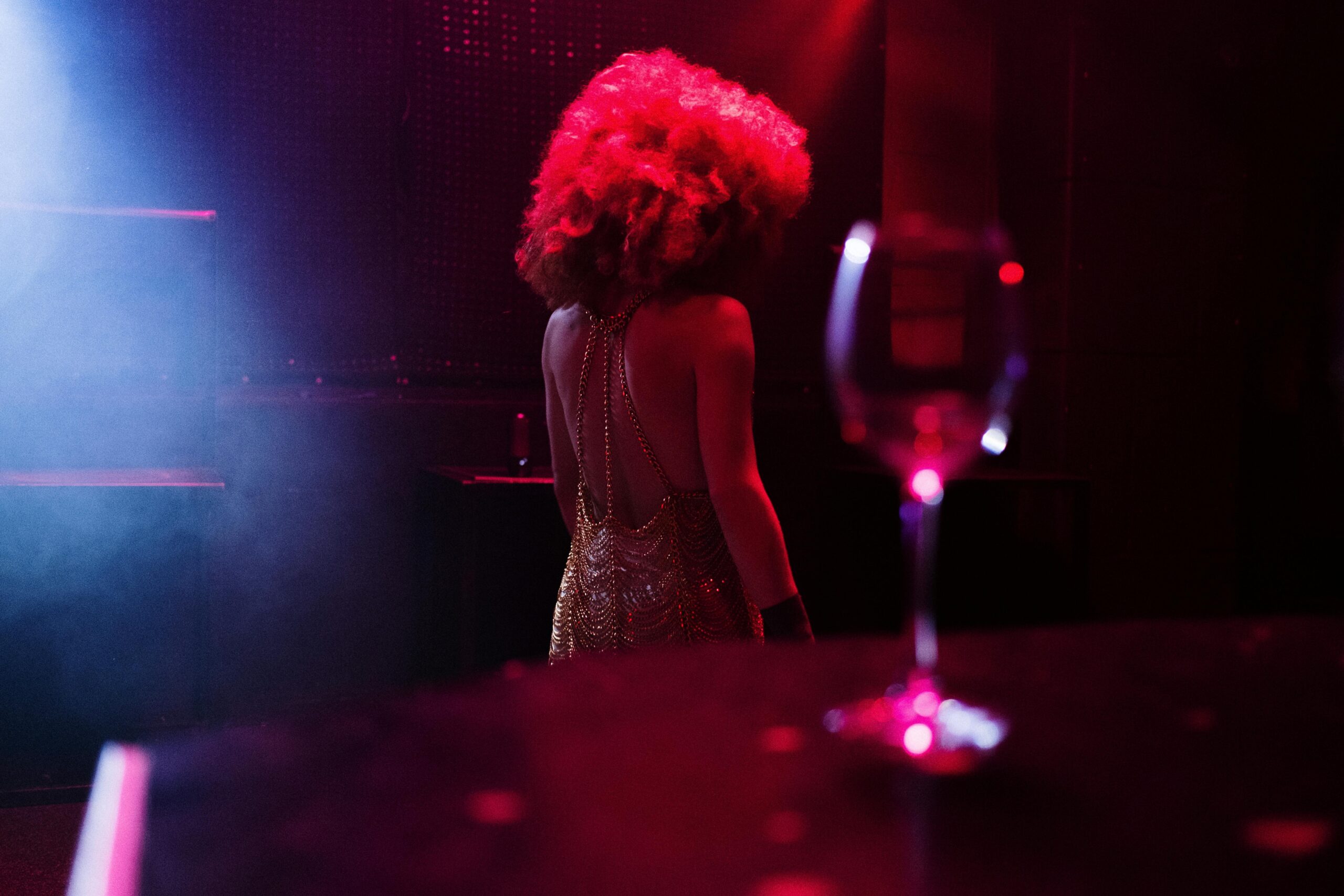
Online casinos are no longer just software-based betting platforms. They’ve become production houses in their own right, borrowing cues from stagecraft, pop culture, and the entertainment industry to capture attention and keep users engaged longer. Soundtracks, lighting simulations, scripted suspense, and live hosts now echo formats seen in game shows and late-night talk sets. The aim isn’t just to host games, but to stage experiences.
Players logging into an online casino today aren’t simply looking for tables or reels. They arrive with expectations shaped by binge-worthy television, immersive theatre, and interactive apps. For platforms aiming to stay relevant, it’s become less about payout percentages and more about presentation quality.
Table of Contents
The Platform Is the Stage
Any theatrical performance is only as good as its venue. That same principle applies to the online casino world. No matter how flashy the visual layer may be, it all falls apart if the foundation (the platform itself) is unstable, slow, or poorly designed.
This is where quality online casino platforms stand out. Operators like Betway casinos have invested in building environments that feel polished, responsive, and intuitive across devices. These platforms function like digital venues: part game hub, part entertainment portal. For players, the seamless nature of the interface becomes part of the experience. Clunky navigation breaks the illusion, while well-oiled platforms help sustain it. A good online casino becomes more than just a transactional site. It performs.
Borrowing from the Theatre
Theatre productions don’t survive on content alone. Stage design, lighting cues, and performer timing all contribute to holding an audience’s attention. Online casinos have lifted elements from this blueprint to shape their own spectacle-driven style.
Take live casino games. These are no longer stiff webcam feeds. Instead, they feature professional hosts, studio lighting, set design, and camera direction. The language used by presenters borrows heavily from TV game shows. Familiar but performative. There’s a rhythm to how cards are drawn or reels are spun, not by accident but through repeated rehearsal and scripting.
Some live games even incorporate dramatic arcs. Side bets, countdown clocks, or audience-triggered bonuses simulate a rising tension that’s closer to a theatre climax than a random win. It’s choreography, just in pixels and milliseconds.
Cinematic Sound and Visuals
Hollywood makes movies and tells stories. It scores them. Every crescendo, pause, or ambient sound has been engineered to provoke emotional reactions. In the online casino space, audio design plays a similar role. Crisp sound effects, immersive background scores, and host banter act like cues to keep attention sharp.
Slot games in particular borrow from blockbuster formats. Themes aren’t limited to fruit icons or bells anymore. Games come with opening sequences, plot-driven progression, and even character arcs. Players might unlock cutscenes, explore new “chapters,” or hear background narratives.
Visually, developers have upped their ambitions. Studio-built games now feature 3D renders, camera sweeps, and layered backdrops. This is no longer just about showing symbols on a reel. It’s about building mood. One click could shift a player from a dark castle to a neon cityscape or tropical island. Just like set changes between scenes.
The Drama of Live Interaction
Concerts thrive on crowd energy. Online casinos have adapted this by adding layers of social engagement. Public chats, emoji reactions, and leaderboard updates mimic the communal aspects of being part of a crowd.
The presence of a live dealer adds another layer. Their role is as much about performance as it is about gameplay. Good hosts manage tone, respond to comments, and keep energy high. Their charisma is part of the product.
Some platforms go even further. Limited-time events, celebrity hosts, or themed nights create temporary buzz. These aren’t just offers; they’re shows with a runtime, a structure, and an opening act. The sense of occasion helps draw in users who want a spectacle.
Borrowed Pacing from TV and Streaming While Building Continuity
Pacing matters in entertainment. Too slow and viewers switch off. Too fast and the tension drops. Online casinos have fine-tuned this concept. Free spins aren’t instant; they build up.
Like streaming services recommending the next episode, casinos push users toward their next game or table. Suggestions are personalised, just like Netflix queues. The design encourages flow – keeping users moving smoothly from one engagement point to another without harsh stops.
Casinos also deploy cliffhangers. A “close call” spin, a near-miss, or an almost-won bonus triggers that same part of the brain activated by plot twists. The user keeps going, not always to win, but to see what comes next.
Basic techniques lifted from live entertainment include:
- Lighting and Colour Grading: Backgrounds shift based on game progression, simulating emotional tone the way concerts do.
- Voice-Over Narration: Some games now include commentary-style audio that deepens immersion, like sports broadcasts or reality shows.
These features don’t just exist to look nice. They guide behaviour. Flashing lights draw attention to features. Dramatic music cues signal potential wins. It’s all by design, not decoration.
What casinos are doing isn’t new. It’s adaptation. Entertainment industries have known for decades how to guide attention, pace content, and keep audiences hooked without needing massive plotlines or big-budget effects. The key lies in combining small psychological nudges – sound, timing, colour – with clear structure.
It’s no surprise that game designers now come from media backgrounds. Or that some studios partner with musicians, comedians, or pop culture brands. The end goal is the same as any entertainment producer’s: deliver a consistent, controlled experience that feels unpredictable but structured, dramatic but familiar.