
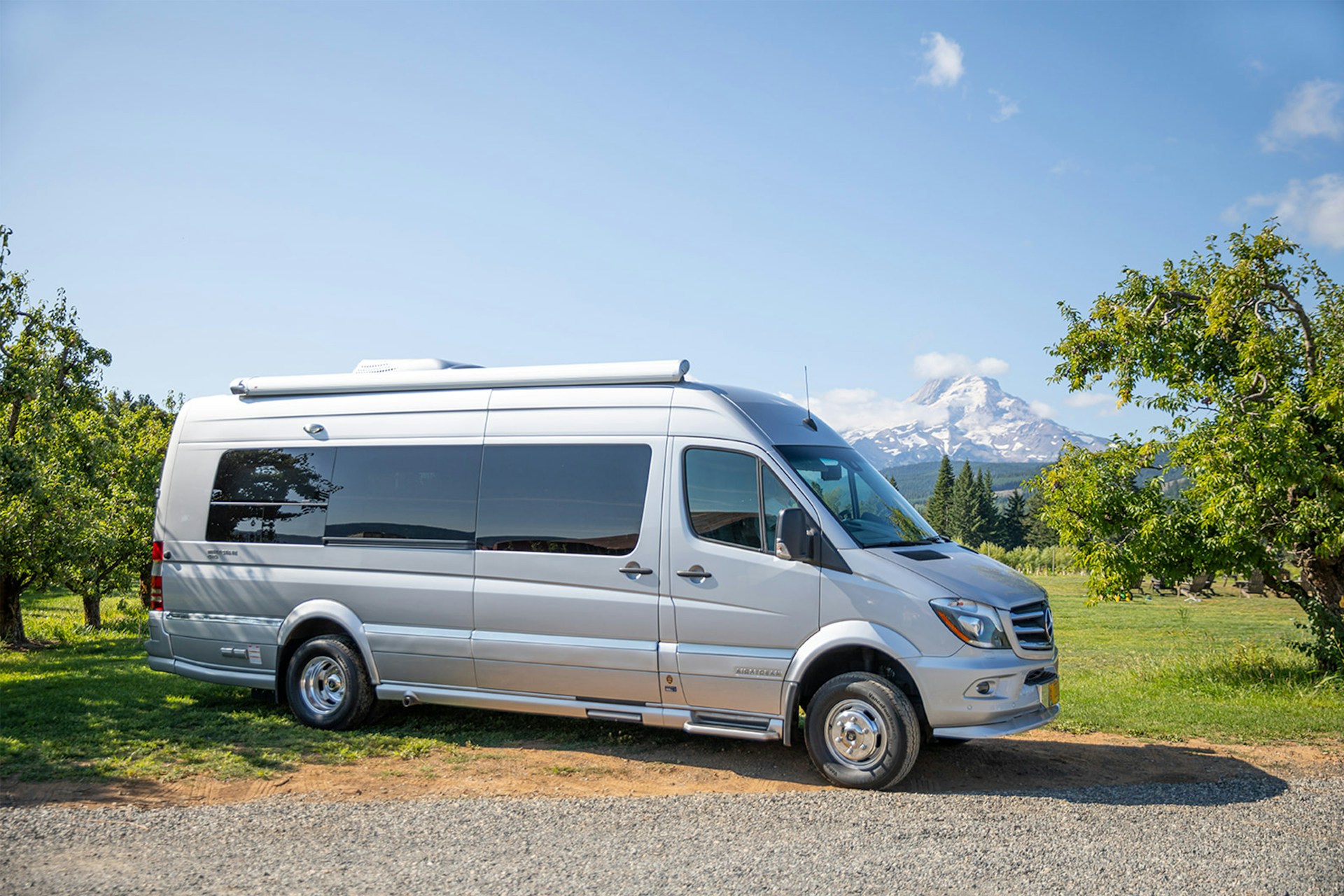
Buying a van sounds huge, but it does not need to be scary. The main trick is to match the van to what it will carry and where it will go. A builder hauling tools needs space and strength. A band hauling amps and drums needs room and easy loading. Families want safe seats and decent fuel bills. When the job is clear, the choice gets simple.
Table of Contents
- 1 Why vans are great for work and weekends
- 2 The three sizes: small, medium, and large
- 3 Where to start a search
- 4 Small vans: nimble helpers
- 5 Medium vans: the balanced choice
- 6 Large vans: heavy lifters for big days
- 7 Van body types: panel, crew, and passenger
- 8 Fuel choices made simple
- 9 Payload, towing, and space you can use
- 10 Safety and tech that help every day
- 11 Running costs and budget planning
- 12 Simple checks before money changes hands
- 13 Matching use cases to van types
- 14 When a van doubles as family transport
- 15 Final thoughts to carry forward
Why vans are great for work and weekends
A van is a mobile base. It helps at work in the week and still has room for hobbies on Saturday. A small van can keep tools clean and dry. A medium van can handle stage gear or bikes without cramming. A large van can move heavy items and tall things in one trip. Many vans have sliding doors, low floors, and square corners. That shape makes packing neat and quick. It also makes it easier to find gear later because boxes and cases stack well.
The three sizes: small, medium, and large
Most vans fit into three groups. Small, medium, and large. Small vans feel close to a car. They park in tight streets and sip fuel. Medium vans balance space and drive comfort. They are the most common size for trades and teams. Large vans are the heavy lifters. They carry big, long, or tall loads. Think full sheets of timber, drum kits, or house move boxes. A quick note on height: a “high roof” van lets people stand up in the back, which helps when loading or when turning a van into a simple camper.
Where to start a search
Seeing real adverts helps set a fair price and shows what features are common. A quick browse of Vans for sale in Walsall can show trim levels, mileages, and service notes, which makes it easier to judge value without any hard sell. This kind of window shopping is useful even if the final choice ends up in a different town.
Small vans: nimble helpers
Small vans suit city routes and short trips. Builders who carry hand tools, tile boxes, or paint kits get a tidy load area without rough fuel bills. Bands with a few guitars and a small amp stack can manage fine. Many small vans fit in car parks with height bars. That saves time. Watch payload numbers, though. Some small vans have low limits. If heavy items are common, move up a size. Check for twin side doors if loading often on busy streets. It is safer and faster to use the pavement side.
Medium vans: the balanced choice
Medium vans handle most jobs without feeling too big. The load bay takes standard ply sheets and tall speaker cabs. Three front seats are common, which helps when a team travels together. Ride comfort is decent, and parts are easy to find. Crew cab versions add a second row of seats and a shorter load space. That setup is ideal when people and gear need to travel at the same time. For builders, a medium van can carry ladders, chop saws, and tool chests with room to spare. For bands, there is space for drums, amps, mic stands, and a merch box, all secured with simple straps.
Large vans: heavy lifters for big days
Large vans shine when the load is bulky or heavy. A band on a bigger stage run, a move into a new flat, or a builder hauling beams and cement bags—this is where a large van earns its keep. A high roof makes packing faster because cases can stand up. Long wheelbase models take long pipes or staging. The trade-off is parking and fuel. Plan routes with low bridges or car park limits in mind. If most weeks do not require the extra size, hiring a large van for rare big jobs can make more sense than buying one.
Van body types: panel, crew, and passenger
Panel vans have a full load bay and no rear side glass. They are best for tools, gear, and privacy. Crew vans add a second row of seats and still leave a decent bay behind them. Passenger vans have full seats and windows, a lot like a minibus. These move people first and cargo second. For a builder who takes a helper to jobs, a crew van is a smart middle ground. For a band, a panel van with a solid bulkhead keeps gear away from the driver in a hard stop.
Fuel choices made simple
Diesel is common in vans because it pulls well at low speeds and gives strong fuel range. Petrol is smoother on short trips and can be cheaper to fix if there is a problem with filters found in some diesel models. Hybrids are rare in vans but worth a look in small sizes. Electric vans are growing fast. They work well for city routes, school runs, and set runs to the same sites each day. Charging at home or a depot cuts fuel costs, and they are quiet. Range drops when loaded or in cold weather, so plan routes and charging stops with care.
Payload, towing, and space you can use
Payload is the weight the van can carry, not the total van weight. Look for a plate inside the door frame. Add the weight of tools, cases, and any rack or lining. Keep some headroom for safety. Towing rules depend on the van and the license held. Many medium vans can tow small trailers, which spreads weight and keeps handling calm. Simple shelves or a rack in the load bay can save time on site or at a venue. Tie-down points stop gear sliding. A rubber floor is easy to clean and protects the van.
Safety and tech that help every day
Basic safety gear matters. Check for working ABS, good brakes, and air bags. Modern vans add parking sensors and rear cameras, which make city work less stressful. Cruise control helps on long runs. Apple CarPlay and Android Auto keep maps on screen and calls hands-free. Good headlights and heated mirrors make early starts and late finishes safer. A solid bulkhead blocks noise and stops cargo hitting the cabin in a hard stop.
Running costs and budget planning
The price tag is only the start. Fuel, insurance, tax, tyres, and services add up. Diesels often go farther per litre but can cost more to fix if the turbo or emissions parts fail. Petrol vans can be cheaper to service. Electric vans cut fuel, but the battery range and charging plan must fit the route. Check tyre sizes; large vans use bigger tyres that cost more. Ask for service history. A stamped book or clear digital record hints at a van that has been cared for. That saves money later.
Simple checks before money changes hands
Walk around the van in daylight. Look for uneven gaps on doors, which can hint at old crash damage. Check for rust on sills and wheel arches. Open and close sliding doors and the rear doors. They should glide and latch cleanly. Start the engine from cold. Listen for rattles. On a test drive, steer straight on a flat road. If the van pulls to one side, the alignment may be off. Press the brakes gently and then hard. The pedal should feel firm, and the van should stop in a straight line. Try low-speed turns in a car park to listen for knocks from worn joints. Inside, test every switch. Heat, air con, lights, wipers, and the radio should all work without drama.
Matching use cases to van types
For daily building jobs in town, a small or medium van saves fuel and time on tight streets. Add roof bars for ladders, and keep a clean tub for dusty items. For band work, a medium van is often the sweet spot. It protects instruments from weather, leaves room to grow the set, and still fits most car parks. For weekend camping, a medium or large van with a high roof is handy. Fit a basic bed frame and a safe cool box, and keep gear in locking crates. For house moves or big stage builds, a large van with tie-down rails and a ramp keeps people safe and speeds up loading.
When a van doubles as family transport
A crew van can work as a weekday tool hauler and a weekend people mover. Child seats fit in the second row when seat belts are three-point and seats are in good condition. Window shades help with long trips. Keep the load behind a bulkhead or use a strong barrier net so cargo cannot slide forward. Clean the floor mats often, as work dust can make the cabin slippery.
Final thoughts to carry forward
Pick the van by the job, not by a badge. Small vans win on parking and cost. Medium vans hit the sweet spot on space and comfort. Large vans move big loads fast but need more care with routes and fuel. Focus on payload, layout, safety, and real running costs. Take time to check doors, brakes, and service records. A clear plan and a calm test drive make the right choice stand out. If any part still feels unclear, write down the loads and trips for a normal week, and match the van to that list. That simple step keeps the choice honest and makes daily life on the road easier.