
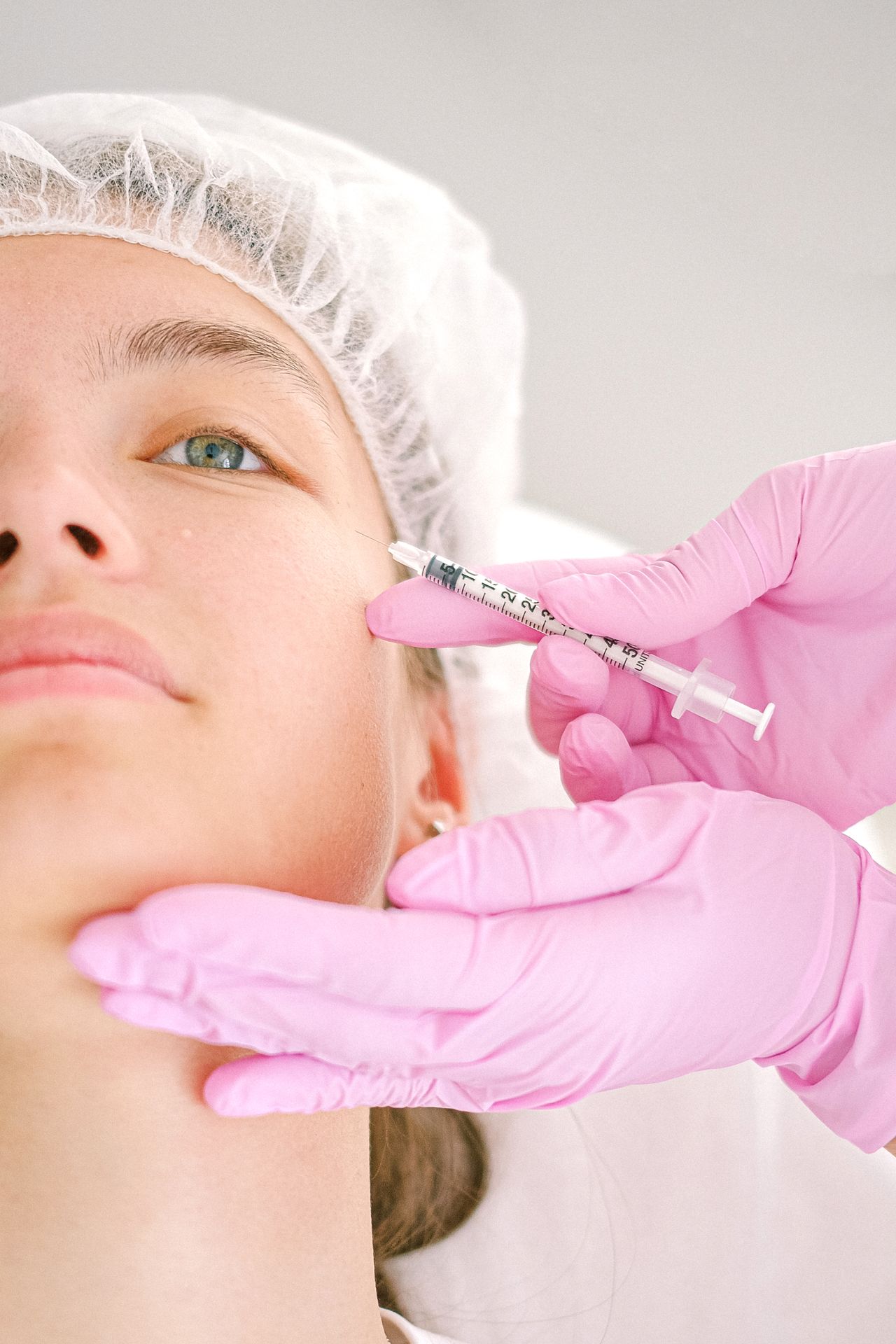
Trying a cosmetic injectable for the first time can feel surprisingly daunting, even when the treatment itself is relatively quick. Many people spend far longer researching what might happen than the appointment actually takes, partly because there are so many conflicting opinions online. Some people describe the experience as effortless, while others worry about pain, facial movement, side effects or ending up with an unnatural result. For anyone considering Botox treatment for the first time, the most useful approach is to understand what the procedure is designed to do, what it cannot do, and which questions are worth asking before making a decision.
One of the first things people want to know is whether Botox will make them look “frozen”. That fear is understandable because exaggerated results tend to attract far more attention than subtle ones. In reality, the effect depends heavily on dosage, placement, anatomy and the skill of the practitioner. The aim in many modern treatments is not to remove all facial movement but to soften specific muscle activity that contributes to certain lines. A carefully planned treatment should still allow a person to look like themselves, just with some areas appearing smoother or more rested.
This is why consultation matters so much. A good practitioner should assess how the face moves naturally rather than simply injecting the same pattern into everyone. They may ask the patient to frown, raise the eyebrows or smile so they can see which muscles are most active and where lines appear. They should also discuss what the person is hoping to achieve, because “I want to look fresher” is very different from “I want as much movement reduced as possible”. Clear expectations make it much easier to plan treatment appropriately.
Another common question is whether it hurts. Most people describe the injections as brief pinpricks rather than something especially painful. The needles used are very fine, and treatment usually involves several small injections rather than one large one. Sensitivity varies from person to person, of course, and some areas can feel more noticeable than others. The whole process is generally quick enough that discomfort is usually short-lived.
There can be a little redness, swelling or tenderness at the injection points afterwards. Small bumps sometimes appear briefly where the product has been placed, but these typically settle relatively quickly. Bruising is also possible, particularly in areas with more visible blood vessels. For most people, there is little or no meaningful downtime, which is one reason Botox has become so popular. It is common to have the treatment and return to normal daily activities soon afterwards, although the practitioner may give specific aftercare advice.
People are often surprised that the result is not immediate. Botox works gradually by reducing communication between nerves and selected muscles, so the visible effect develops over several days. Some people begin noticing a change after a few days, while the fuller result may take around one to two weeks depending on the area and the individual. This delayed action is important because it prevents people judging the result too early or assuming the treatment has failed after 24 hours.
The temporary nature of the effect is another key point for first-time patients. Botox does not permanently switch off a muscle. Over time, nerve signalling gradually returns and movement increases again. Results commonly last a few months, although duration can vary according to dose, treatment area, metabolism and individual muscle strength. Some people find their results last longer after repeated treatments, while others notice fairly consistent timing each time.
This temporary effect can actually be reassuring for someone trying the treatment for the first time. If they like the result, they can choose to repeat it. If they decide it is not for them, they are not committing to a permanent change. That makes the treatment quite different from a surgical procedure, where the outcome is intended to be long-lasting.
People also want to know which areas can be treated. The most familiar cosmetic uses include frown lines between the eyebrows, forehead lines and crow’s feet around the eyes. However, treatment planning should depend on individual facial anatomy rather than simply ticking through a list of common areas. Treating one muscle group can influence the appearance or movement of another, so balance matters.
This is particularly relevant in the forehead. The muscles there help lift the eyebrows, while other muscles pull them down. Reducing activity too aggressively in one area can alter brow position, which is why placement and dose require care. A practitioner who understands facial anatomy will usually be more conservative with someone whose brow position or eyelid structure makes them more vulnerable to heaviness.
Another concern is whether the treatment changes facial expression permanently. It does not. While the product is active, movement in the treated muscles is reduced, but untreated muscles continue functioning. Over time, movement gradually returns as the effect wears off. If someone prefers more movement, they can discuss a lighter approach in future treatments.
There is also confusion about the difference between Botox and dermal fillers. They are not the same thing and do not work in the same way. Botox reduces muscle activity, while fillers are generally used to add or restore volume, shape certain areas or support facial structure. A line caused mainly by repeated muscle movement may respond well to Botox, while a crease caused by volume loss may require a completely different approach.
That distinction matters because first-time patients sometimes arrive asking for a specific product rather than describing the concern they actually want addressed. A good consultation should work the other way around: identify the issue first, then decide whether Botox is suitable.
Safety is another major question. Botulinum toxin has been used medically and cosmetically for many years, but that does not mean treatment is risk-free. Side effects can occur, and results depend heavily on correct dosing and placement. Potential problems can include bruising, headache, asymmetry or unwanted weakness in nearby muscles. Rare complications are possible, which is why treatment should always be carried out by an appropriately trained and qualified medical professional working within relevant regulations and clinical standards.
Medical history matters too. Certain neuromuscular conditions, medications, pregnancy, breastfeeding or previous reactions may affect whether treatment is appropriate. This is another reason a proper consultation should never feel rushed. A reputable practitioner should ask about health history, medications and previous procedures rather than treating the appointment as a simple beauty service.
First-time patients should also ask who will actually perform the injections. Qualifications, experience, prescribing arrangements and emergency procedures are all relevant. It is reasonable to ask how often the practitioner performs the treatment, whether they have experience with the area being considered and what happens if the patient is unhappy with the result.
Price is naturally part of the conversation, but it should not be the only deciding factor. Very cheap treatment can sometimes mean reduced consultation time, inexperienced practitioners or unclear product sourcing. That does not mean the most expensive clinic is automatically the best, but cosmetic injections are one area where cost should be weighed alongside training, reputation and clinical standards.
Another useful question is whether a follow-up appointment is included. Some clinics routinely review results after a couple of weeks, while others ask patients to return only if there is a concern. A review can be useful for first-time patients because it gives the practitioner a chance to assess how the muscles responded and whether any adjustment is appropriate.
People also often ask what they should do immediately after treatment. Advice can vary, but practitioners may recommend avoiding pressure or rubbing over the treated areas for a period, and sometimes avoiding strenuous exercise or certain other activities for the rest of the day. The most important thing is to follow the specific instructions given by the clinician rather than relying on generic advice found online.
It is also sensible to think about timing. Because the full effect takes time to develop and minor bruising is possible, having treatment immediately before a wedding, holiday or major event is not ideal for a first appointment. Leaving a reasonable gap allows the result to settle and gives time for any minor side effects to resolve.
Perhaps the most important question is whether the person genuinely wants the treatment for themselves. Cosmetic procedures are increasingly normalised, which can make them feel like something everyone is supposed to consider eventually. They are not. Botox is optional, and there is nothing wrong with deciding against it. The best candidates are usually people with a clear idea of what bothers them, realistic expectations and an understanding that the goal is improvement rather than perfection.
For a first-timer, the process should feel informative rather than pressured. A consultation should answer questions, explain limitations and give the person time to decide whether they are comfortable proceeding. The treatment itself may be brief, but the decision deserves more thought than the few minutes spent in the chair.
When expectations are realistic and the practitioner is properly qualified, Botox can be a relatively straightforward treatment with subtle results and little downtime. The key is not simply choosing whether to have it, but understanding why it is being used, what outcome is realistic and how the treatment fits the individual face rather than a generic ideal.