
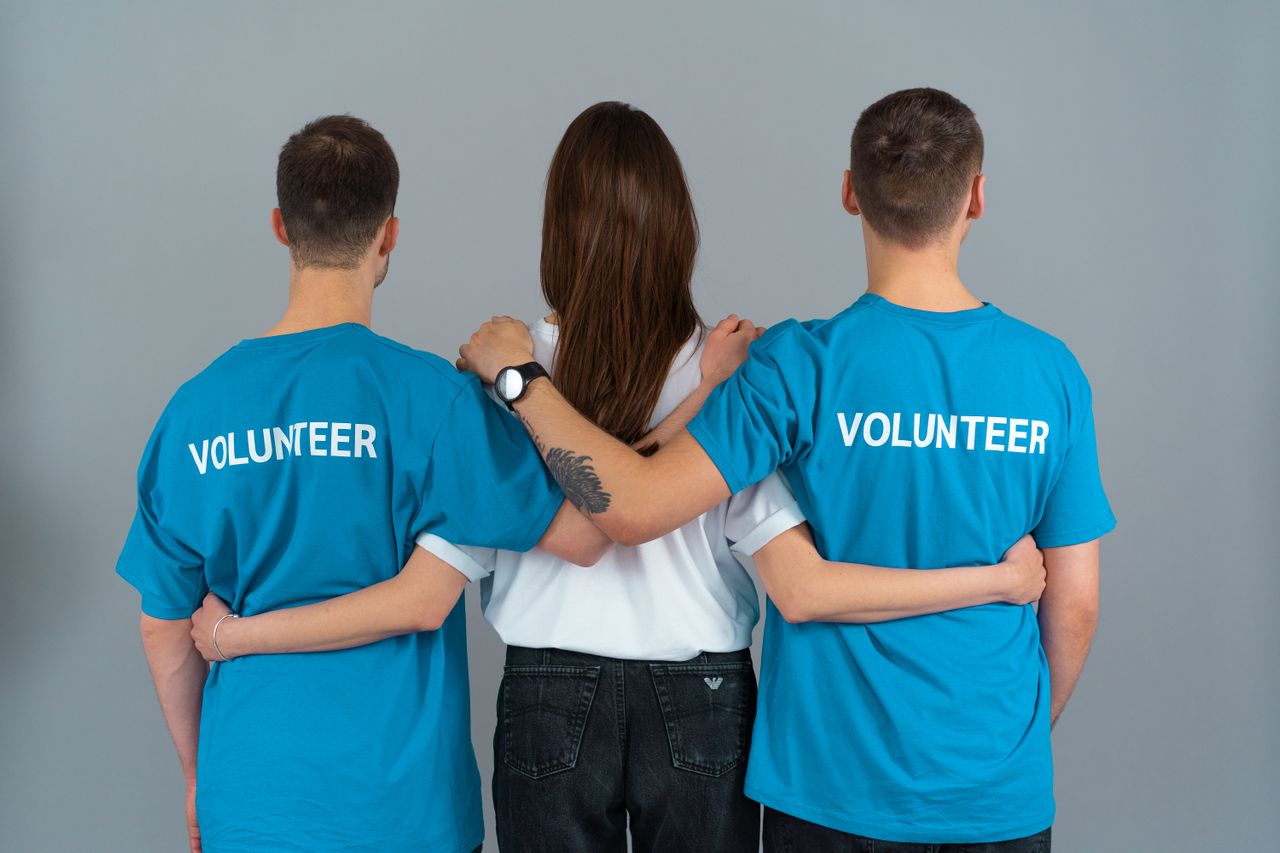
Whenever a group of people needs to choose times, tasks, items, or responsibilities, the organization behind that process can quickly become more complicated than expected. Schools may need parents to volunteer for an event, nonprofits might be filling shifts, and community groups may simply want to know who is bringing what to a gathering. Instead of coordinating every response manually, an online sign up tool can provide one central place where participants see the available options and make their own selections. The basic idea is simple, but the range of situations where it can be useful is surprisingly broad.
What makes digital sign-ups particularly flexible is that the same general process can be adapted to very different needs. An organizer defines what people can choose, participants respond, and the system keeps track of the results. That removes much of the repetitive communication that normally sits between those stages. Rather than collecting replies from emails, text messages, and paper forms, organizers can see participation developing in one place.
Events Without the Endless Message Chain
Events are one of the most natural uses for online sign-ups because they usually involve a mixture of people, responsibilities, and deadlines. A fundraiser might need volunteers for registration, food service, setup, cleanup, parking, and guest assistance. A neighborhood event might require people to bring supplies or take responsibility for different activities.
Without a central sign-up, the organizer often becomes the clearinghouse for every decision. Someone asks whether the first shift is still available, another person wants to know what food has already been promised, and someone else changes their mind after the list has been circulated. Keeping everything accurate can become surprisingly time-consuming.
A digital sign-up gives participants more visibility. They can see which opportunities are still open and make a choice without waiting for someone to respond. If a role has a fixed capacity, it can close once enough people have selected it, helping to prevent the common problem of having too many people in one area and not enough somewhere else.
Volunteer Programs That Need Regular Support
Volunteer coordination becomes even more demanding when it is ongoing rather than tied to a single event. A nonprofit may need people every week, a food pantry may operate several shifts each day, or a community project may run different programs throughout the month.
In these situations, organizers are not simply collecting names. They are trying to create consistent coverage.
Online sign-ups can allow volunteers to choose opportunities that match their availability rather than requiring coordinators to assign every individual manually. Recurring opportunities can also give regular volunteers a clearer view of what help is needed over the coming weeks.
For coordinators, this creates a more useful overview. Instead of discovering shortly before an activity that a shift is understaffed, they can see gaps while there is still time to recruit additional help. That makes the system useful not only for collecting responses but also for planning.
Schools Have More Uses Than Conference Scheduling
Schools can use digital sign-ups for far more than parent-teacher conferences. Classroom activities, field trips, sports events, fundraising programs, teacher appreciation events, performances, and parent organizations can all involve participation that needs to be coordinated.
Consider a classroom celebration where families are asked to contribute food, drinks, decorations, and supplies. A paper list sent home may produce several families volunteering to bring the same thing while other items are forgotten entirely. An online list can show what has already been selected and what is still needed.
Field trips create another useful example. A teacher may need a limited number of chaperones, while certain volunteers might need to complete additional requirements before participating. The sign-up process can clearly show the available places and provide instructions before anyone commits.
For schools, the benefit is often less about sophisticated technology and more about reducing the volume of small administrative tasks that teachers and parent organizers otherwise have to manage themselves.
Classes, Workshops, and Training Sessions
Sign-ups can also be used wherever capacity matters. Classes and workshops may have a fixed number of places because of room size, equipment availability, or the type of instruction being provided.
Instead of accepting registrations indefinitely and sorting out overcrowding later, organizers can set a capacity from the beginning. Once the session is full, registration can close or, depending on the system, participants may be able to join a waitlist.
Multiple sessions can also be offered when the same training is repeated at different times. Participants choose whichever option works best for them, giving organizers a clearer picture of demand without needing to compare individual availability manually.
This approach can work for workplace training, community classes, school activities, club sessions, orientation programs, or almost any situation where people need to choose between a limited number of scheduled opportunities.
Potlucks, Contributions, and Shared Responsibilities
Not every sign-up needs to involve time slots. Sometimes the challenge is simply making sure that everyone does not bring the same thing.
Potlucks are the obvious example, but the same principle applies to school fairs, donation drives, care packages, team events, and community projects. An organizer can create a list of needed items, specify quantities, and allow people to claim what they want to provide.
This creates an immediate visual picture of what is covered and what is missing. If ten people have already agreed to bring desserts but nobody has selected drinks, the gap is obvious without the organizer manually comparing responses.
Shared responsibilities can be handled in much the same way. A group could use the sign-up to divide setup jobs, transportation responsibilities, equipment, or cleanup tasks so everyone knows what has already been claimed.
Clubs, Teams, and Community Organizations
Groups that meet regularly often need help beyond simple attendance tracking. A sports club may need volunteers for concessions, transportation, scorekeeping, or event setup. A neighborhood association might need participants for seasonal projects. A community organization could be coordinating recurring meetings, outreach, or social activities.
A flexible sign-up system allows each activity to be structured around what the group actually needs rather than forcing every situation into a basic attendance list.
This is where the difference between a static form and an interactive sign-up becomes useful. Participants are not only saying “yes” or “no.” They are choosing a particular responsibility, time, or contribution from the options that remain available.
A Few Features Become Useful Almost Everywhere
Although the use cases vary, several capabilities tend to matter across most of them. Organizers benefit when the system can:
- limit the number of participants for a particular option;
- send confirmation and reminder messages;
- allow participants to make changes when necessary;
- display clear instructions alongside each opportunity; and
- show organizers where important gaps still remain.
These features solve practical problems rather than simply making the sign-up look more polished. They reduce duplicate selections, forgotten commitments, and repetitive questions while giving participants enough information to manage their own involvement.
The Common Thread Is Less Administration
Events, volunteer programs, school activities, workshops, and community groups may appear to have very different organizational needs, but the same problem often sits underneath them: too much information is passing through one organizer.
Every time someone needs to ask whether a place is available, change a commitment, or confirm what they previously selected, another piece of administrative work is created. Digital sign-ups allow much of that information to move directly between the participant and the schedule.
That does not remove the need for an organizer. Someone still needs to decide what is required, monitor participation, and deal with unusual situations. What changes is the amount of routine handling involved.
A good sign-up process should therefore feel almost uneventful. People find the opportunity, choose what suits them, and know what they have committed to. Organizers can see what is covered and focus their attention on the areas that still need help. Whether the task involves twenty people at a neighborhood gathering or hundreds of volunteers across a larger program, that simplicity can make group coordination considerably easier.